
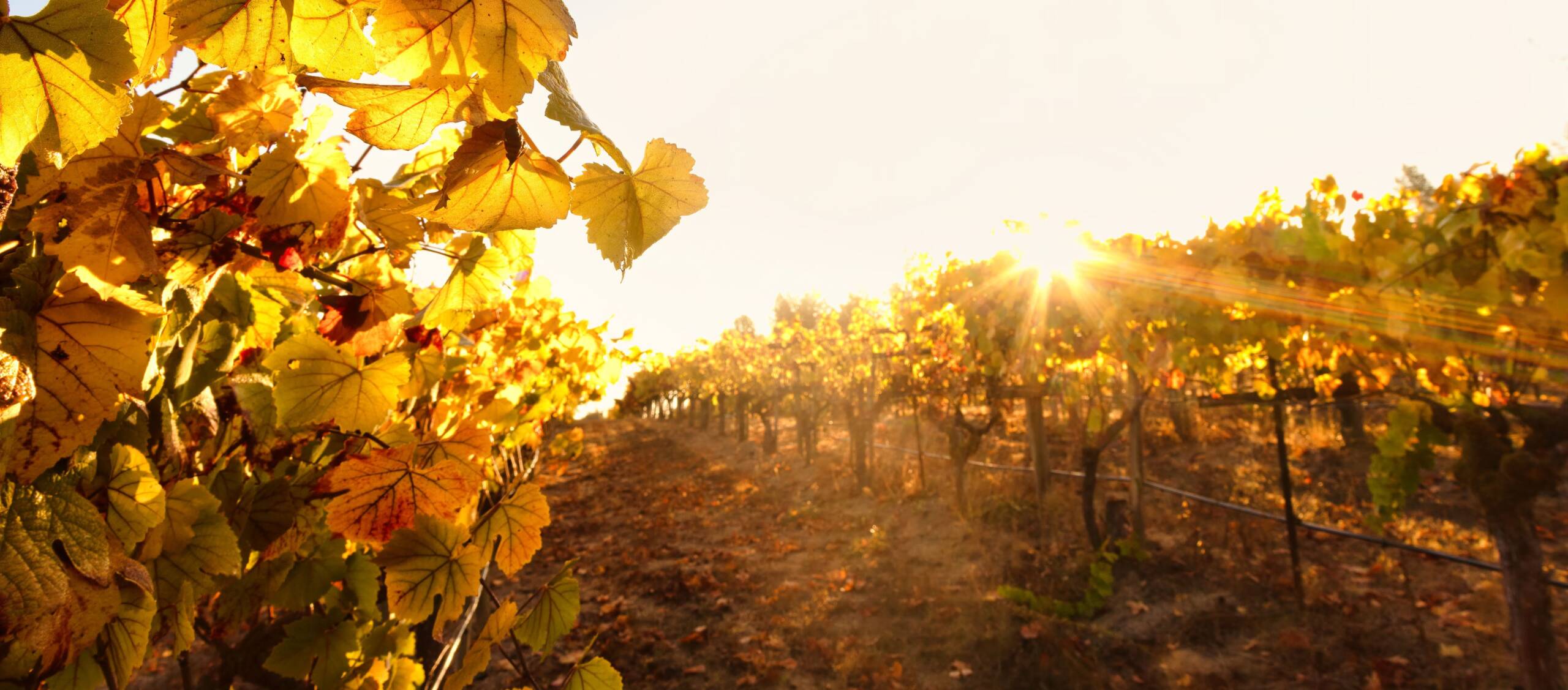
The Petaluma Gap Effect: Why Wind is Just as Important as Sun
At a Glance: The Petaluma Gap at Quail Hill Vineyard
- What It Is: A natural break in the coastal mountain range channeling Pacific marine winds inland
- AVA Status: Petaluma Gap was officially recognized as its own AVA in 2017
- Distance from the Pacific: ~12 miles to Quail Hill Vineyard
- Wind Direction: Westerly maritime winds, morning through mid-afternoon
- Primary Effect: Moderates afternoon temperatures; dries vineyard canopy; preserves acidity
- Disease Benefit: Reduces mold and mildew pressure by drying the canopy after morning fog
- Diurnal Swing: Up to 40°F between daytime high and nighttime low
- Key Varietals Benefited: Pinot Noir, Chardonnay
By late afternoon at Quail Hill, you can feel it before you see it. A change in the air. The warmth of the afternoon sun pulls back as something cooler and more deliberate moves through the rows. The vines shiver, just slightly. The canopy rustles. The light shifts.
That is the Petaluma Gap arriving to do its work.
The Petaluma Gap is a natural break in the coastal mountain range to the south of the Russian River Valley — a corridor through which the Pacific sends its winds inland each afternoon with the reliability of a tide. Recognized as its own American Viticultural Area in 2017, it is not merely a geographic feature. It is one of the most important forces shaping the character of wine made in this part of Sonoma County. At Lynmar Estate, located just 12 miles from the Pacific Ocean at the northern reach of this wind corridor, the Gap is as much a part of our winemaking team as any person who works the land. We simply could not make these wines without it.
What Exactly is the Petaluma Gap, and How Does It Work?
Imagine the coastal mountains of Sonoma County as a wall. For most of their length, that wall is intact — holding back the cold Pacific air, keeping the inland valleys warmer and drier. But there is one significant gap in that wall, near the town of Petaluma, where the mountains lower and open into a broad, flat corridor. Through that opening, the pressure differential between the cool marine air offshore and the warmer inland air pulls Pacific winds eastward each day with considerable force. (Petaluma Gap Winegrowers Alliance)
Those winds typically arrive in the Russian River Valley in the late morning or early afternoon, having gathered speed and consistency as they funnel through the gap. By the time they reach Quail Hill Vineyard, they are purposeful — steady westerly breezes that press across the east-facing slopes, move through the canopy, and begin to cool the fruit that has been warming since the fog lifted. They rarely stop before evening. And by the time they do, they have changed the character of the grapes in ways that end up, unmistakably, in the wine. (Russian River Valley Winegrowers)
Why Does Wind Matter as Much as the Sun for Growing Great Wine?
Sun gets the attention. It always has. Wine enthusiasts talk about warm vintages, sunny growing seasons, and the golden light of September. But sun without balance is not a gift; it is a problem. Grapes that ripen too fast, in too much heat, lose the acidity that makes wine feel alive. They accumulate sugar before they have had time to develop the complex aromatic compounds that give a great bottle its depth and nuance. The result is flatness. Sweetness without structure. Fruit without story.
Wind is the counterweight. At Lynmar Estate, the Petaluma Gap winds arrive each afternoon to slow what the sun has spent the morning accelerating. This is what Anisya has always called “the ebb and flow of a coastal climate.” The sun warms and ripens. The wind cools and preserves. Daytime temperatures above 50°F, what viticulturists call degree days, accumulate during the morning and early afternoon, building the ripeness the grapes need. Then the Gap winds arrive, the temperature drops, the vine’s natural respiratory system slows, and the acidity built through the night and morning is preserved rather than respired away.
This daily exchange, warmth and cool, ripening and preservation, is the engine behind the bright, vivid acidity that defines Russian River Valley Pinot Noir and Chardonnay. It is not an accident of nature. It is nature operating exactly as it should, and it happens here at Quail Hill with a precision that after 45 years still feels like a gift.
How Does Wind Protect the Vineyard Beyond Temperature?
Temperature moderation is only part of what the Petaluma Gap contributes. There is a second benefit that is less romantic to discuss but no less important to the quality of the wine: the Gap winds keep the vineyard dry.
Every morning at Quail Hill, the marine fog settles in from the Pacific. It is beautiful — the vineyard rows dissolving into white, the Laguna de Santa Rosa barely visible through the mist, the air cool and heavy with moisture. But moisture in a vineyard, if it lingers, brings risk. Mold. Mildew. Botrytis. The kinds of fungal pressures that threaten fruit integrity and can force growers into chemical interventions they would rather avoid.
The westerly maritime winds that flow down from the Gap each morning change this equation entirely. As they press through the valley and across the east-facing slopes of Quail Hill, they push the overnight fog back toward the Laguna and dry the vineyard canopy with quiet efficiency. By mid-morning, what was wet is dry. The air moves. The leaves move. The conditions that disease requires, stillness, moisture, and warmth, do not have time to establish themselves.
This is one of the reasons Lynmar’s sustainable farming practices are possible at the level they are. When the land itself provides natural disease management — when the wind does what a farmer might otherwise have to do — it opens the door to a gentler, more observant kind of viticulture. We farm with the Gap, not against it. (California Sustainable Winegrowing Alliance)
What Does the Petaluma Gap Mean for What You Taste in the Glass?
By the time the Petaluma Gap winds arrive at Quail Hill each afternoon, the day’s warmth has done its work. The grapes have accumulated the degree days they need. And then the wind arrives, not dramatically, not destructively, but consistently, to cool the fruit and tell the vine that today’s work is nearly done.
Later, as the afternoon moves toward evening, the east-facing slopes fall into shadow. The Laguna de Santa Rosa breezes join the Gap winds, and the temperature begins its long drop toward the cold that will preserve everything built during the day. By dawn the next morning, it will sometimes be 40 degrees cooler than the afternoon peak. That extraordinary diurnal swing, one of the most pronounced in any California wine region, is the direct result of the Gap doing its work, day after day, across the entire growing season.
In the glass, this relentless daily exchange shows up as acidity. Bright, lively, food-friendly acidity that makes Russian River Valley Pinot Noir and Chardonnay feel alive in a way that wines from warmer regions simply cannot replicate. It shows up in the length of the finish — the way a great Quail Hill Pinot Noir lingers on the palate with freshness long after the fruit fades. It shows up in the wine’s capacity to age, to evolve, to remain interesting a decade after the vintage. The Gap is not a tasting note. But it is present in every one.
How Do the Petaluma Gap Winds Interact with the Rest of Quail Hill’s Microclimate?
The Gap does not work alone. At Quail Hill, it is one voice in a conversation between three distinct forces — the Pacific maritime winds, the Laguna de Santa Rosa watershed to the east, and the estate’s own east-facing topography. Each shapes the others.
In the morning, as the Gap winds arrive from the west, they interact with the moist cool air rising from the Laguna, moderating the morning temperatures and helping ease the fog back. This allows the east-facing slopes to receive early sunshine — warmth arriving at precisely the right time to begin the day’s ripening, without the delayed start that west-facing sites experience. By afternoon, as the slopes move into longer shadows, the Gap breezes, and the Laguna’s own cooling influence work together to preserve what the day has built.
It is a system. Each element depends on the others. Remove the Petaluma Gap, and the morning fog lingers too long, the afternoon grows too warm, the diurnal swing collapses. Remove the Laguna, and the evening temperature moderation disappears. Remove the east-facing topography, and the morning sun arrives too late for the cycle to be completed. Quail Hill is extraordinary because all three forces are present, in balance, every single day. You cannot engineer that. You can only be fortunate enough to farm it.
That is what great terroir-driven wine always offers: not just pleasure, but meaning. A story that started four or five million years ago, and finds its most recent chapter in the glass you are holding right now.
→ Related: What is a “Cool Climate” Wine, Really? (Data from the Russian River)
→ Related: Goldridge vs. Sebastopol Sandy Loam: How Soil Changes the Wine in Your Glass
→ Related: The 5 Best Cool Climate Pinot Noir and Chardonnay Wineries to Visit in the Russian River Valley
→ Related: Explore Lynmar Estate’s Current Wine Releases
→ Related: Reserve Your Experience at Lynmar Estate
Frequently Asked Questions (FAQ)
What is the Petaluma Gap in wine? The Petaluma Gap is a natural break in the coastal mountain range near Petaluma, California, through which strong Pacific marine winds channel eastward into the Russian River Valley and surrounding wine regions. Recognized as its own American Viticultural Area in 2017, it is a defining climate force for cool-climate Pinot Noir and Chardonnay in Sonoma County.
How does the Petaluma Gap affect wine quality? The Petaluma Gap moderates afternoon temperatures in the vineyard, preventing overripening and preserving the natural acidity that gives Russian River Valley wines their freshness and aging potential. The winds also dry the vineyard canopy after morning fog, reducing disease pressure from mold and mildew and supporting sustainable farming without chemical intervention.
Why is wind important for growing Pinot Noir? Wind moderates temperature, preserves acidity, and reduces fungal disease pressure in the vineyard. For Pinot Noir — a thin-skinned grape that is particularly vulnerable to disease and particularly sensitive to heat — consistent afternoon wind creates the balance between ripening and preservation that allows it to develop complexity without losing freshness.
What is the diurnal temperature swing in the Russian River Valley? The Russian River Valley can experience a diurnal temperature swing — the difference between the day’s high and low — of up to 40 degrees Fahrenheit. This dramatic daily shift, driven largely by the Petaluma Gap winds and marine fog, is one of the key reasons Russian River Valley Pinot Noir and Chardonnay retain such vivid natural acidity and age-worthy structure.
What wineries are affected by the Petaluma Gap? The Petaluma Gap influences wineries across southern Sonoma County, including those in the Russian River Valley and Green Valley AVAs. Lynmar Estate, located at Quail Hill Vineyard in Sebastopol just 12 miles from the Pacific Ocean, is situated within the northern reach of the Gap’s influence and has farmed these wind-shaped vines since 1980.
Lynmar Estate is a luxury, resident-proprietor winery located at 3909 Frei Road in Sebastopol, CA, in the heart of the Russian River Valley. Specializing in estate-grown Pinot Noir and Chardonnay from four estate vineyards — Quail Hill, Susanna’s, Adam’s, and Hessel Station — Lynmar is recognized as one of wine country’s most exceptional destinations for culinary and wine hospitality. The estate is Certified California Sustainable Winegrowing, Certified Bee Friendly, and dry-farms the majority of its 80 planted acres. All four vineyards are currently in the three-year CCOF Organic Certification process.